Services
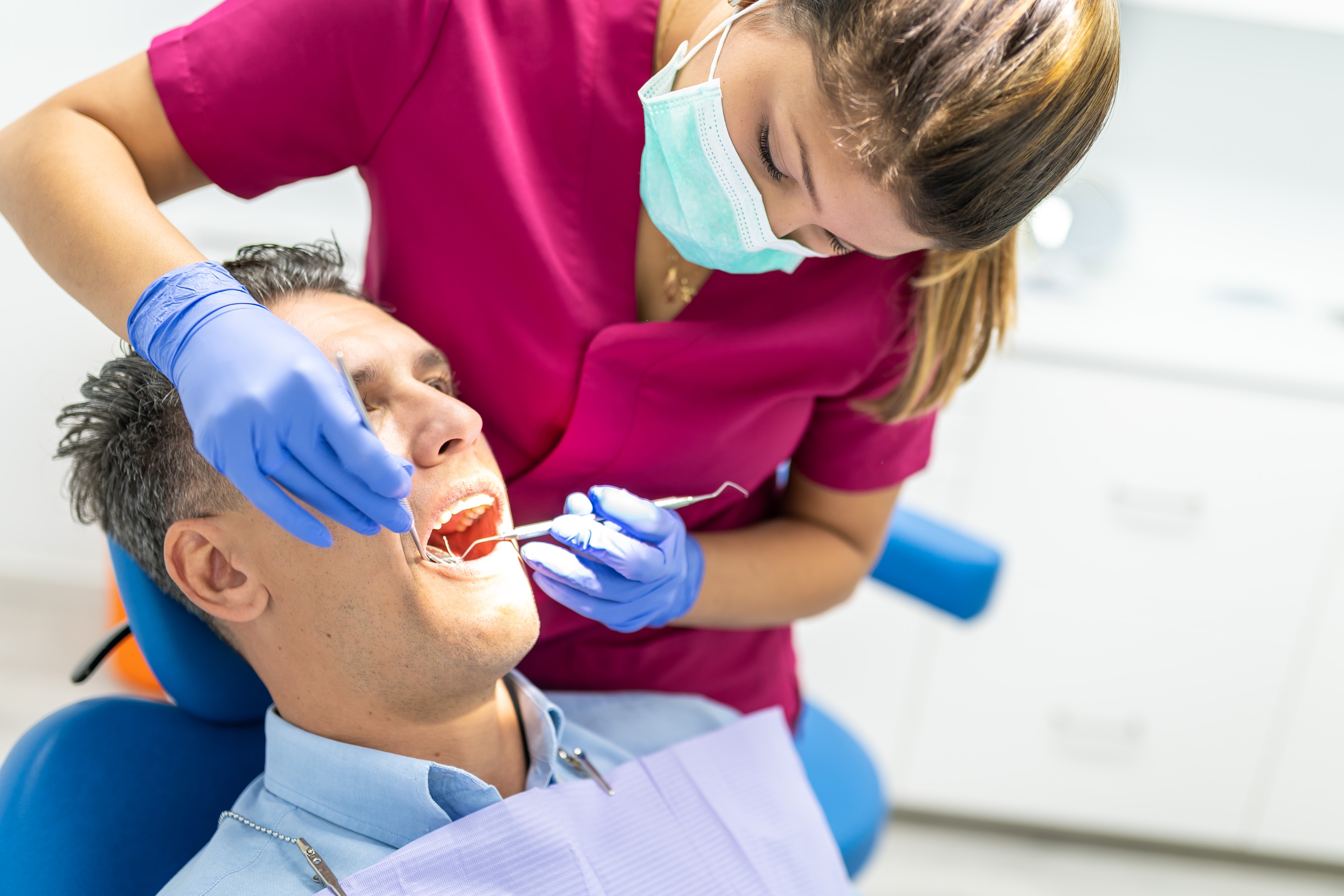
General Consultation
The dental diagnostic consultation is the process in which the medical history is collected and the patient is examined in order to obtain the correct diagnosis of the condition they present and to establish the most effective treatment.
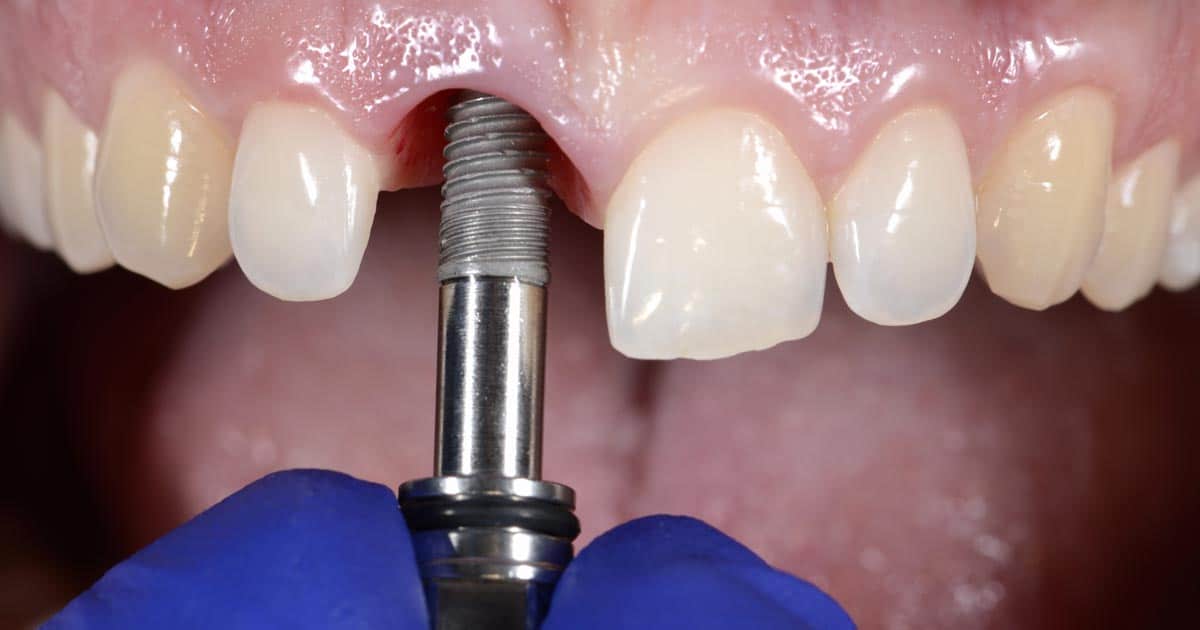
Implants
A dental implant is a screw-shaped titanium component that replaces the root of a natural tooth. The crown or prosthesis is placed on the dental implant, which will physically be the same as the natural tooth.
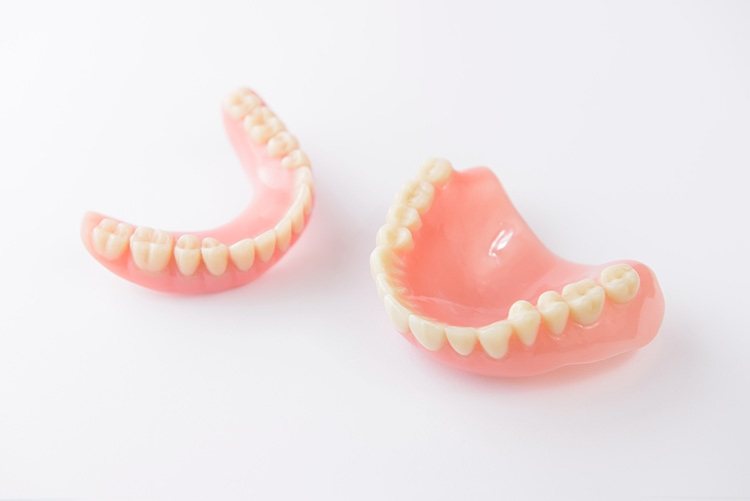
Prosthesis
Partial dentures or removable bridges are used when there are one or more natural teeth remaining in the upper or lower jaw. Partial dentures are tooth replacements designed to fit between remaining natural teeth, like pieces of a puzzle.
Veneers
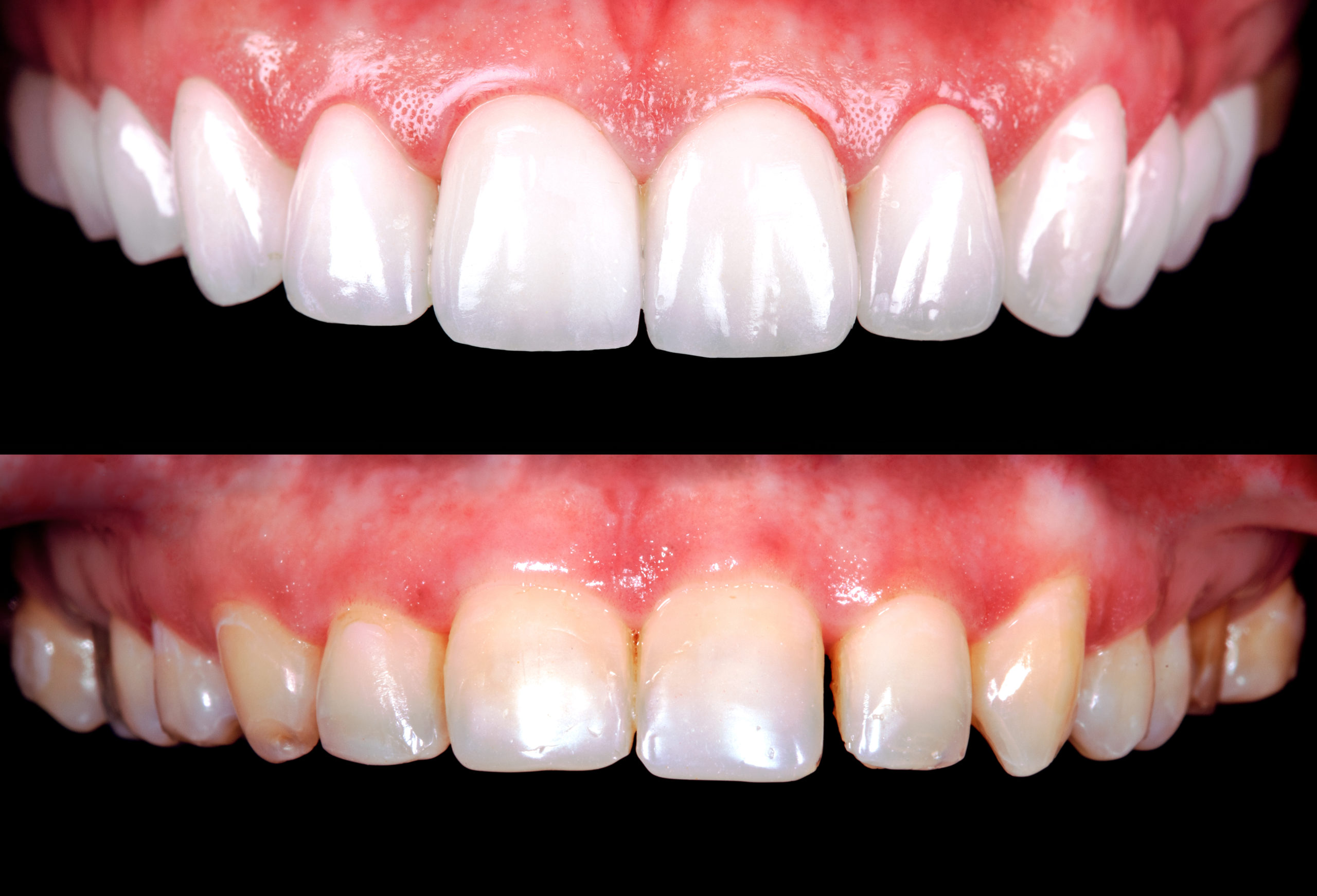
Dental veneers are thin sheets of porcelain that are adhered to the visible surface of the tooth to improve its aesthetic appearance. Due to their aesthetic purpose, these sheets are placed on the vestibular side of the front teeth, as they are the most visible when we smile.
Restorations
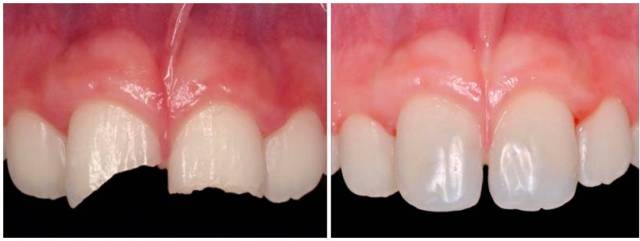
It is performed on those teeth that have cavities. During dental fillings or fillings, materials such as amalgam or composite are used to fill the cavity of the tooth after having eliminated the decay.
Crowns
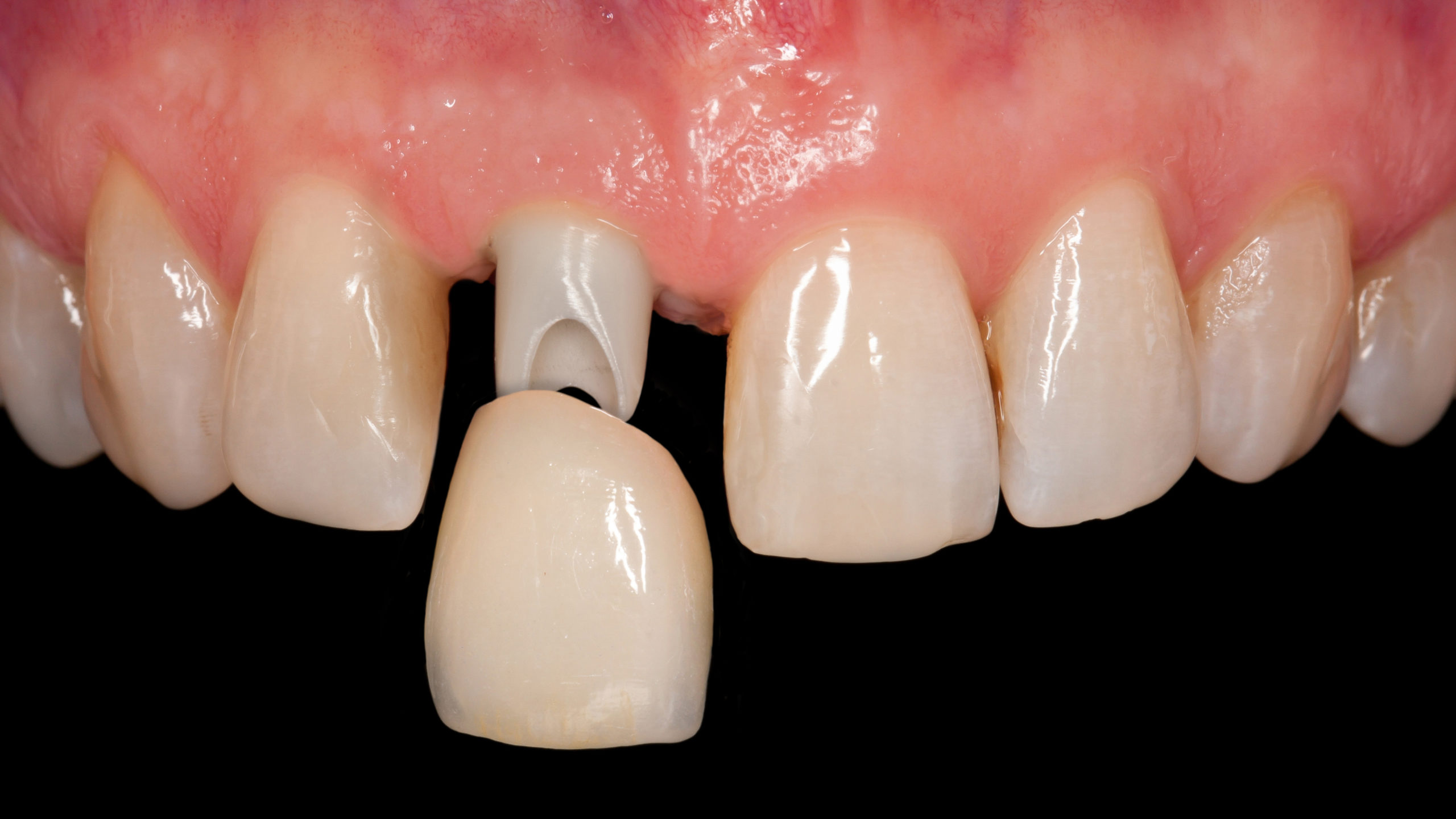
Metal-free crowns are as resistant as their metal predecessors, but with the advantage that they are much more aesthetic. The benefits of technology have meant that this new type of material has the same durability, does not change color and integrates perfectly with the gums and natural teeth.
Cleanings
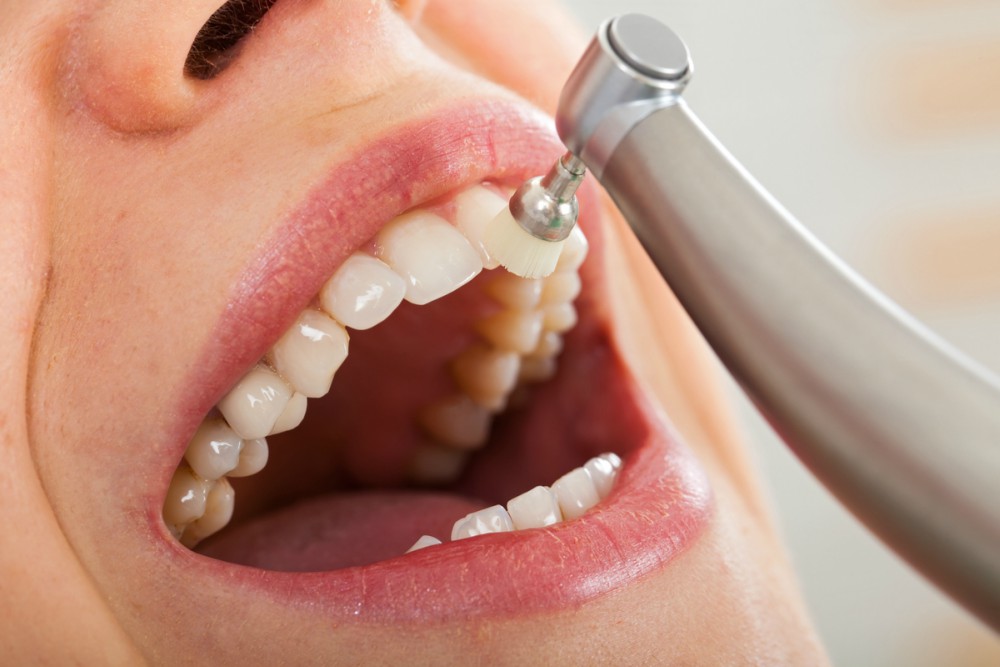
Dental cleaning, also called dental prophylaxis, is done to remove plaque and calculus (tartar) that accumulates on the teeth over time. This accumulation of plaque and tartar is deposited on the teeth.
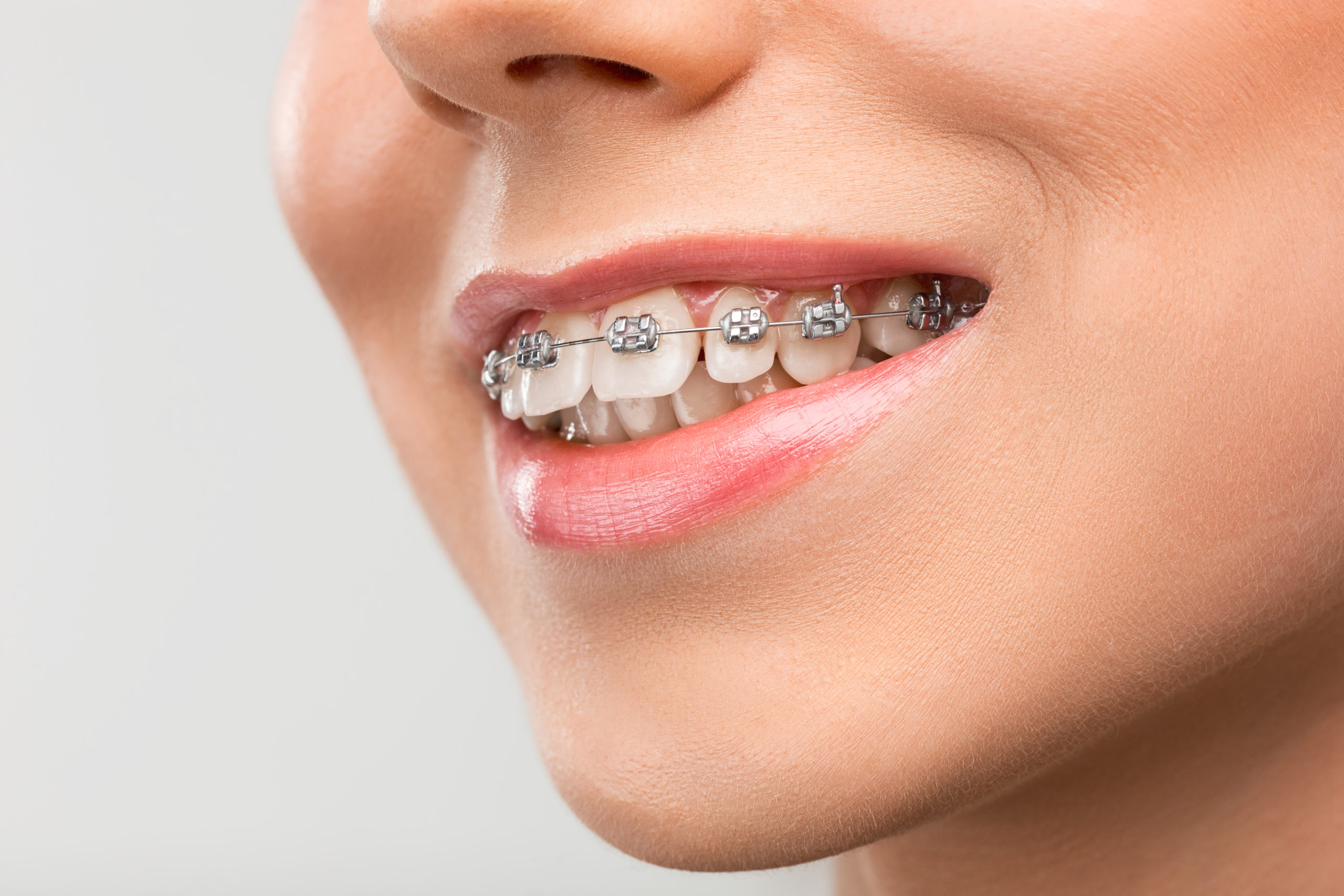
Orthodontics
Braces and orthodontics are used to correct a "poor bite" or defective dental occlusion (when the teeth are crowded or crooked). In some cases, the teeth are straight, but the upper and lower jaws do not fit together correctly. These jaw or tooth alignment problems can be inherited or could result from an injury, early or late tooth loss, or thumb sucking.