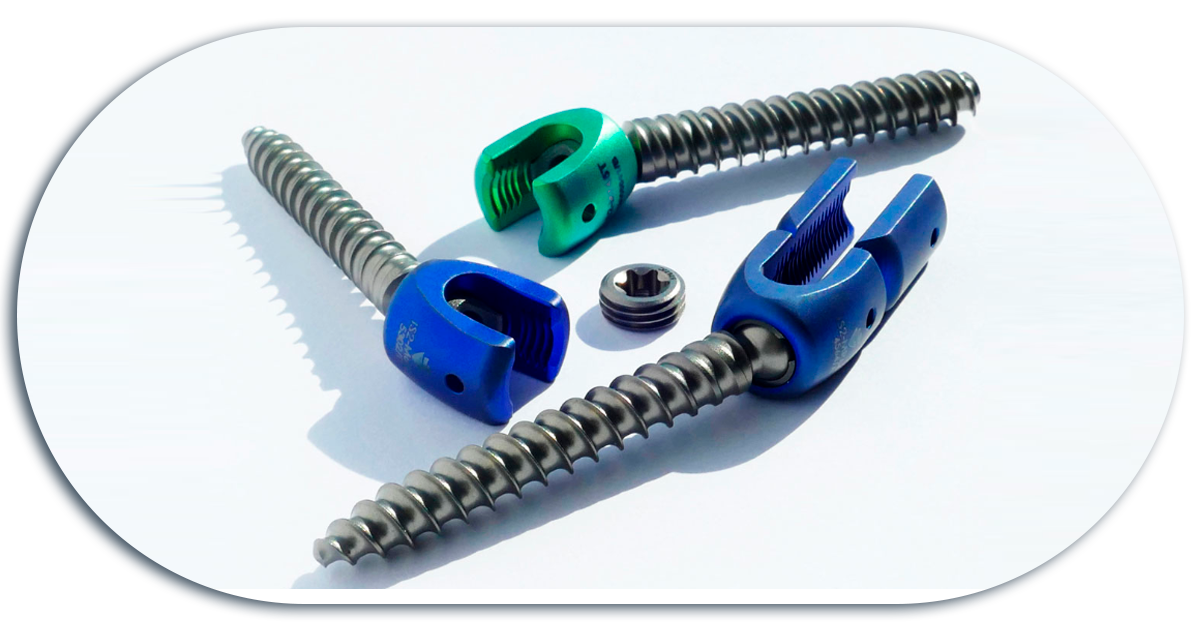
Conventional Surgery
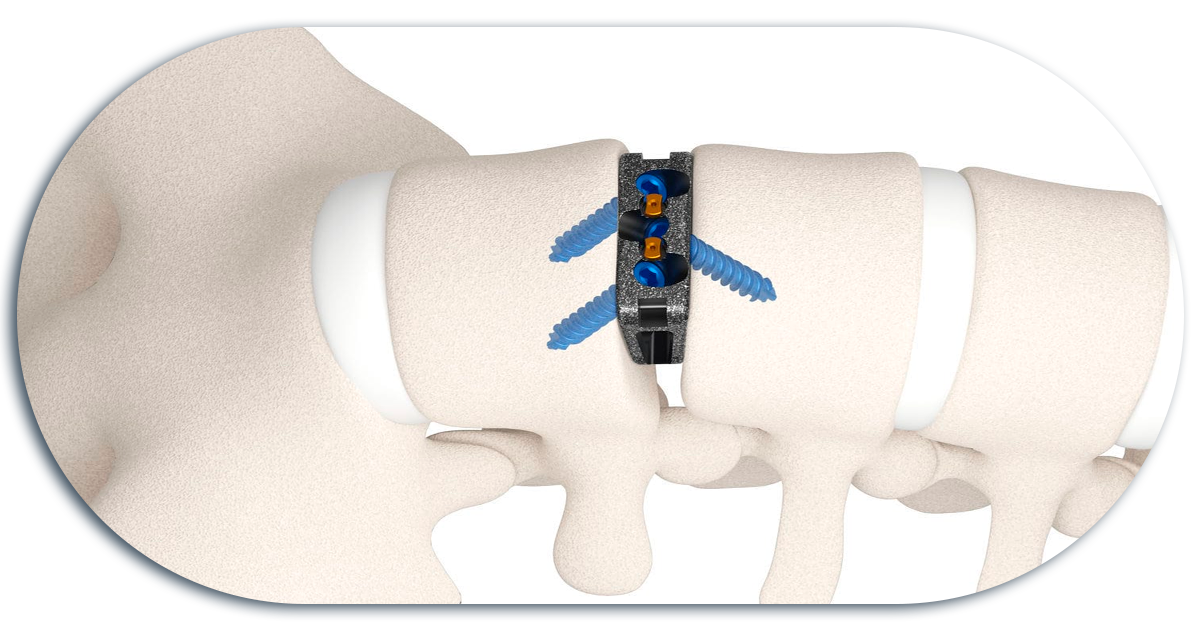
Interbody Cages
These are implants placed in the space where an intervertebral disc has been removed, especially when greater stability is desired in an unstable spine.
These are implants placed in the space where an intervertebral disc has been removed, especially when greater stability is desired in an unstable spine.
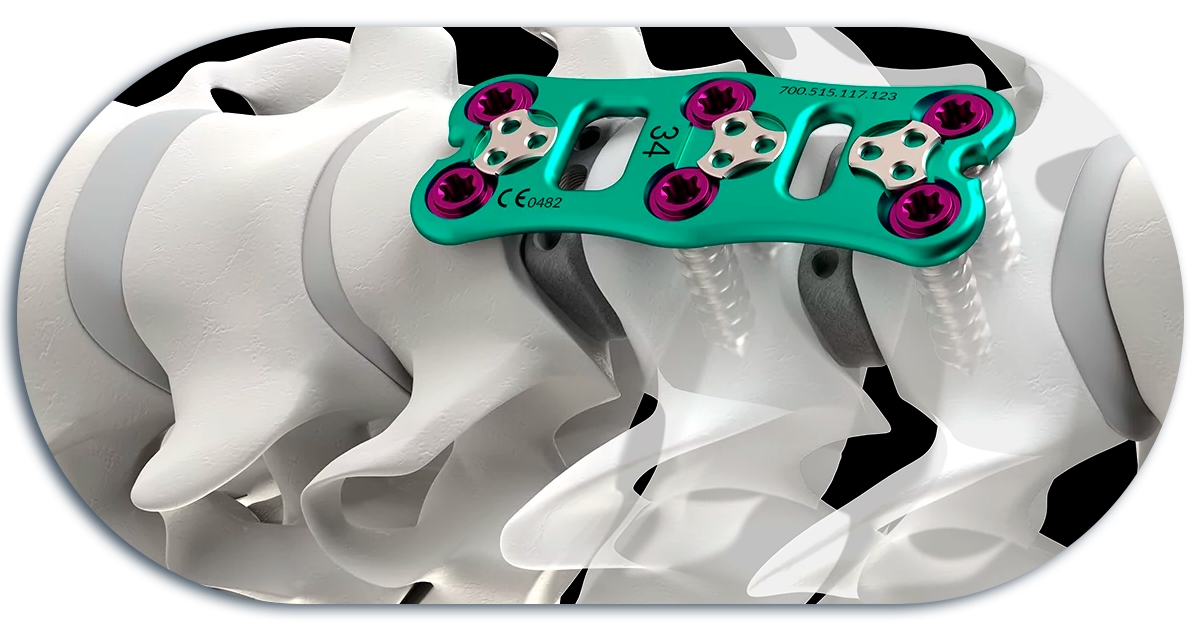
Cervical Plate
This is a laminar support placed on the anterior aspect of the cervical spine after a discectomy and/or placement of interbody cages.
It serves to provide greater support to an unstable cervical spine, but above all to prevent the migration and expulsion of the bone grafts that were placed between the vertebral bodies after the resection of the intervertebral disc.
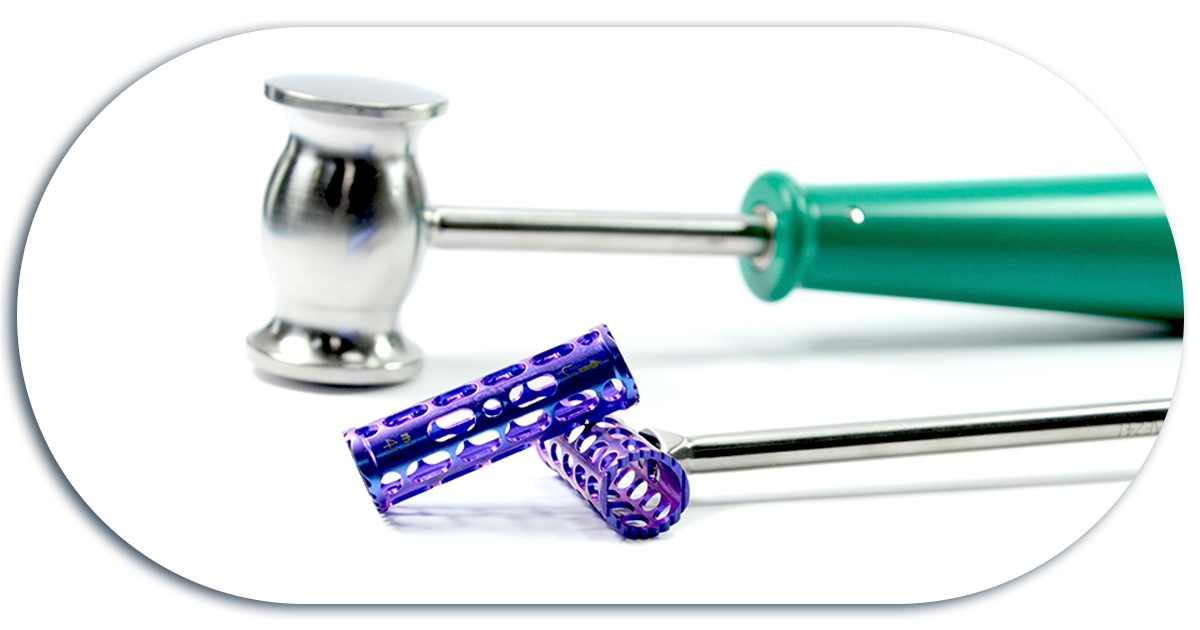
Cervical Meshes
When the case warrants it, it is necessary to completely resect one or more vertebral bodies. In such cases, the vertebral body(ies) must be replaced with cylindrical implants commonly known as cervical meshes.
These have various diameters and lengths according to the needs of each patient. They are used especially when extensive decompression of the cervical spine is required.
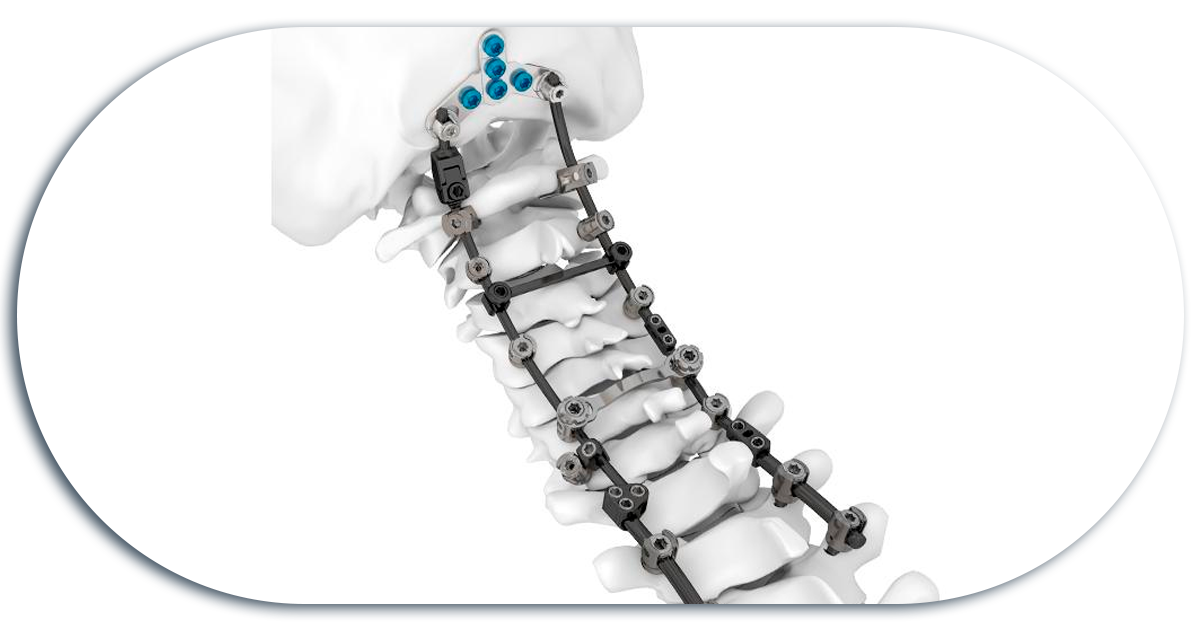
Posterior Cervical Fixation
Screws are used, which are placed in bony structures called facets, and these screws are then fixed to each other with longitudinal bars.
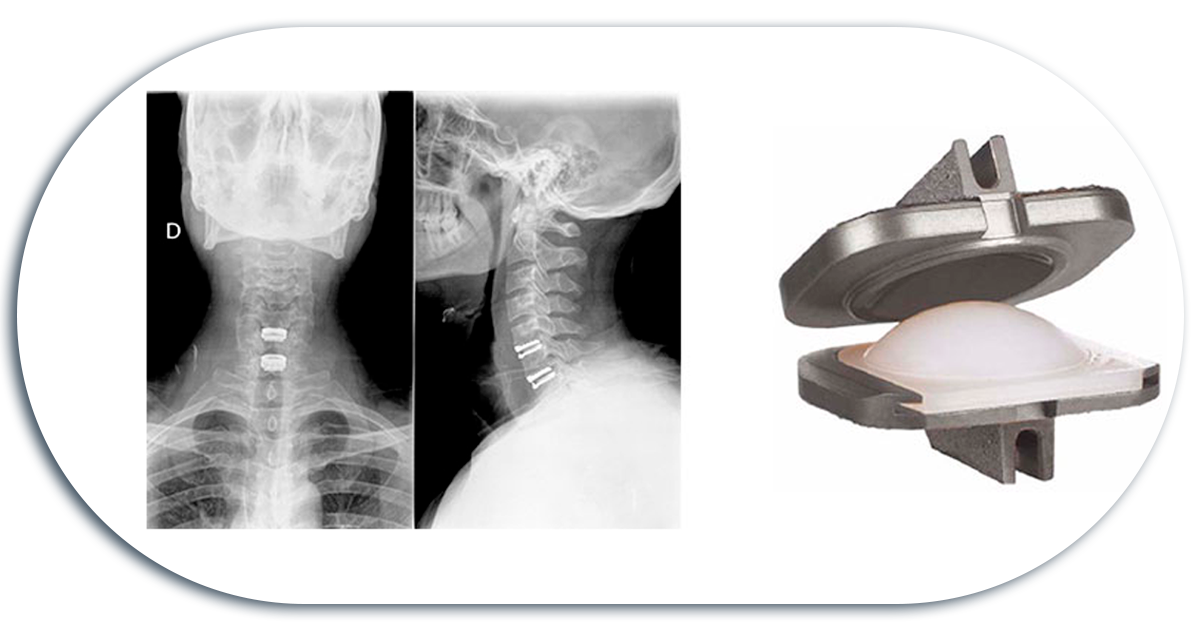
Arthroplasty / Disc Replacement
Disc replacements are used to preserve movement. They allow mobility of the treated area in all axes, such as flexion, extension, rotation, and lateral flexion.
Not all patients are candidates for disc replacement, as all the characteristics of the affected area must be considered.
Transpedicular
Although the technique of applying transpedicular screws through minimally invasive incisions was mentioned earlier, sometimes, due to various reasons, it is necessary to resort to conventional strategies. These have not fallen into disuse; in fact, most spine surgeons still use them today.