Cirugía Mínima Invasión
Vertebroplasty
This procedure involves injecting surgical cement into the vertebral body to provide support when it has been fractured.
We currently have "minimal access" techniques that allow the cement to be introduced through a cannula only a few millimeters in diameter, making this procedure quite safe and practically outpatient.
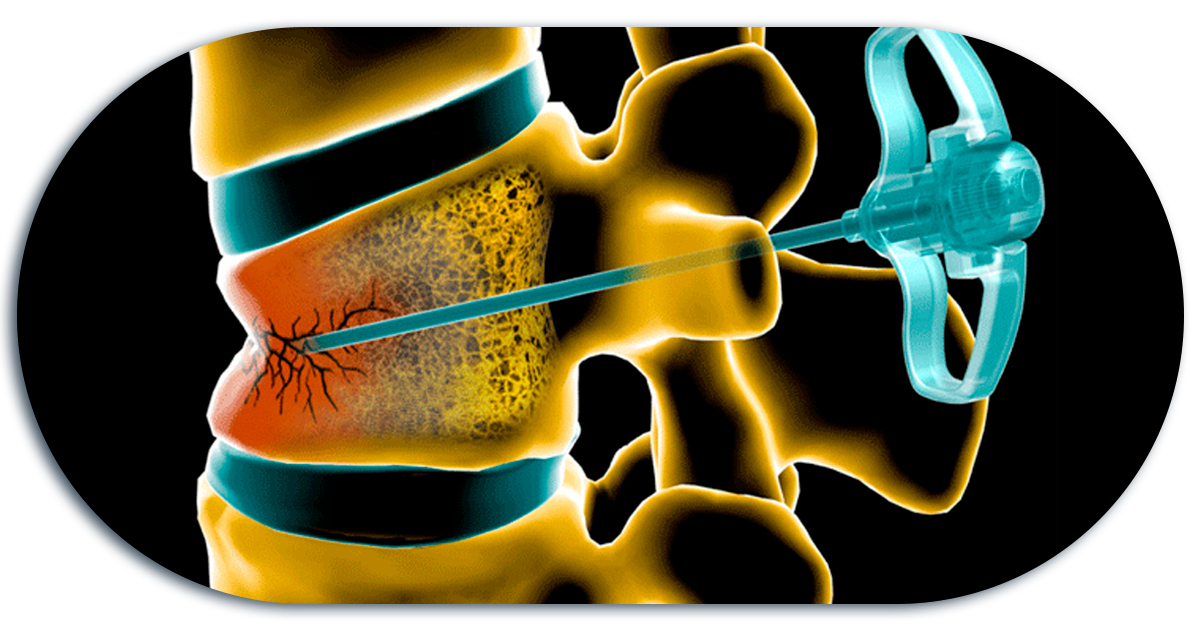
Xyphoplasty
A balloon or similar device is inserted beforehand to restore the height of the vertebral body before the cement is injected. This not only strengthens the vertebra but also restores its height and shape, resulting in a more anatomical restoration.
Interspinous Devices
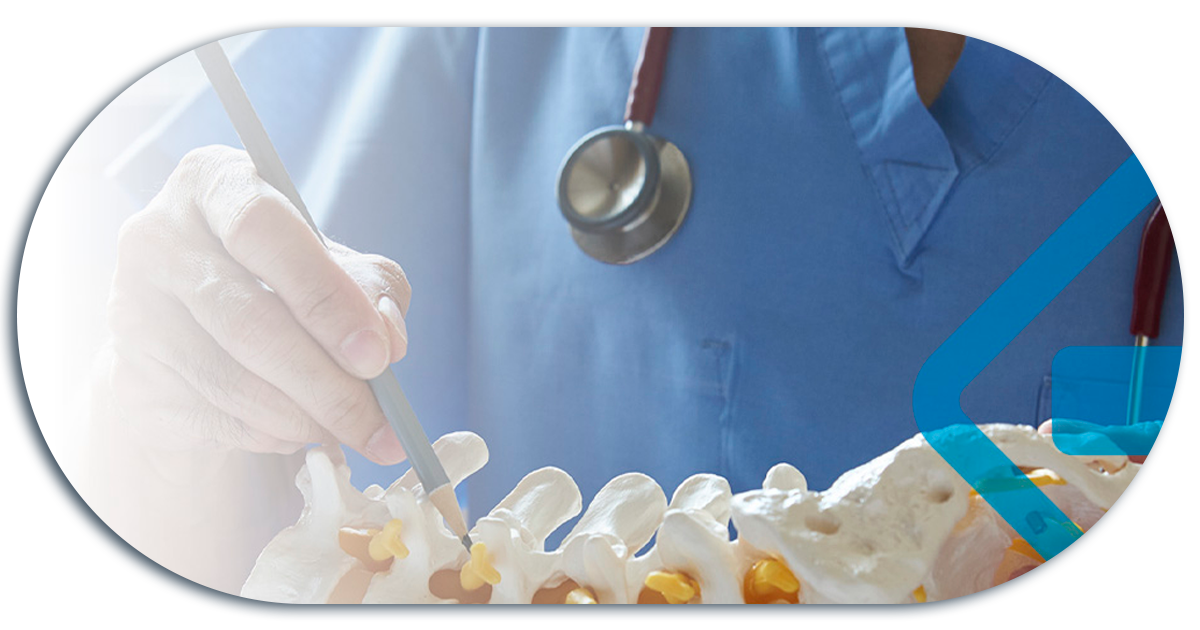
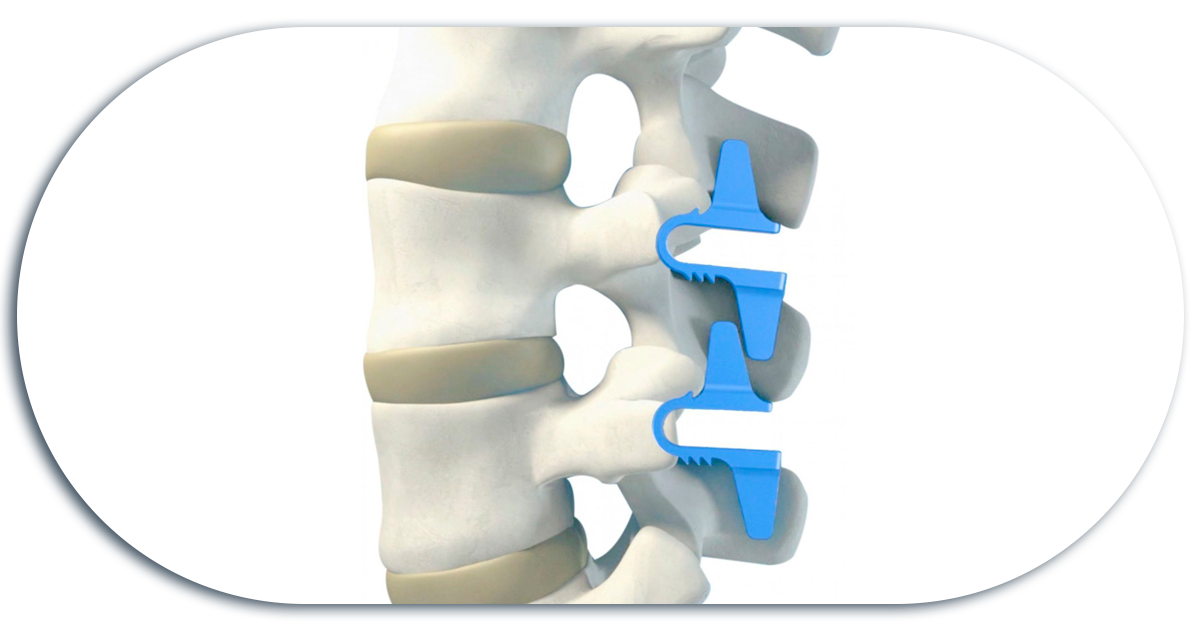
When vertebral overload problems exist, and the facet joints or intervertebral disc are not functioning properly, it is possible to help restore support by placing a small, simple device between the spinous processes of two vertebrae.
The device absorbs the load and allows the other structures to rest and, in some cases, regenerate.
Currently, there are minimally invasive techniques that allow this device to be placed through a small lateral incision of approximately one centimeter. This procedure can also be performed on an outpatient basis.
Radiofrequency
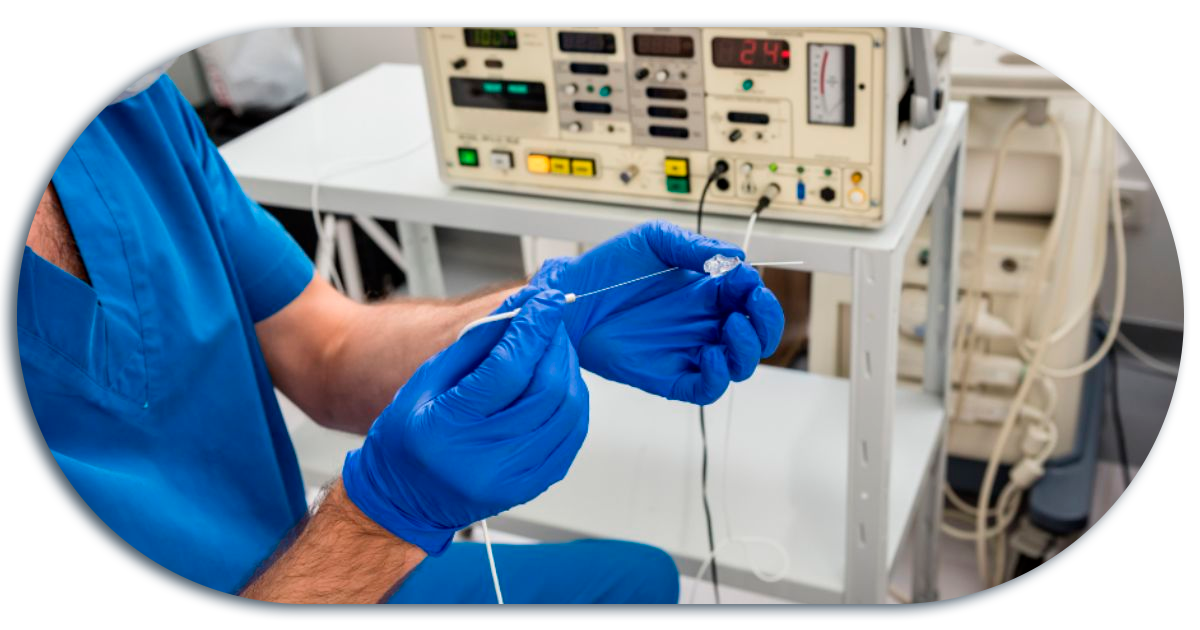
A controlled thermal effect is obtained, which is used to perform denervation to permanently block sensory nerve endings in areas of pain. This achieves local, precise, and permanent pain control without the use of medications that have harmful long-term effects.
It is performed through minimally invasive procedures using very thin electrodes that do not require surgical incisions; it is an outpatient procedure.
Spine Jet / Hydrocision
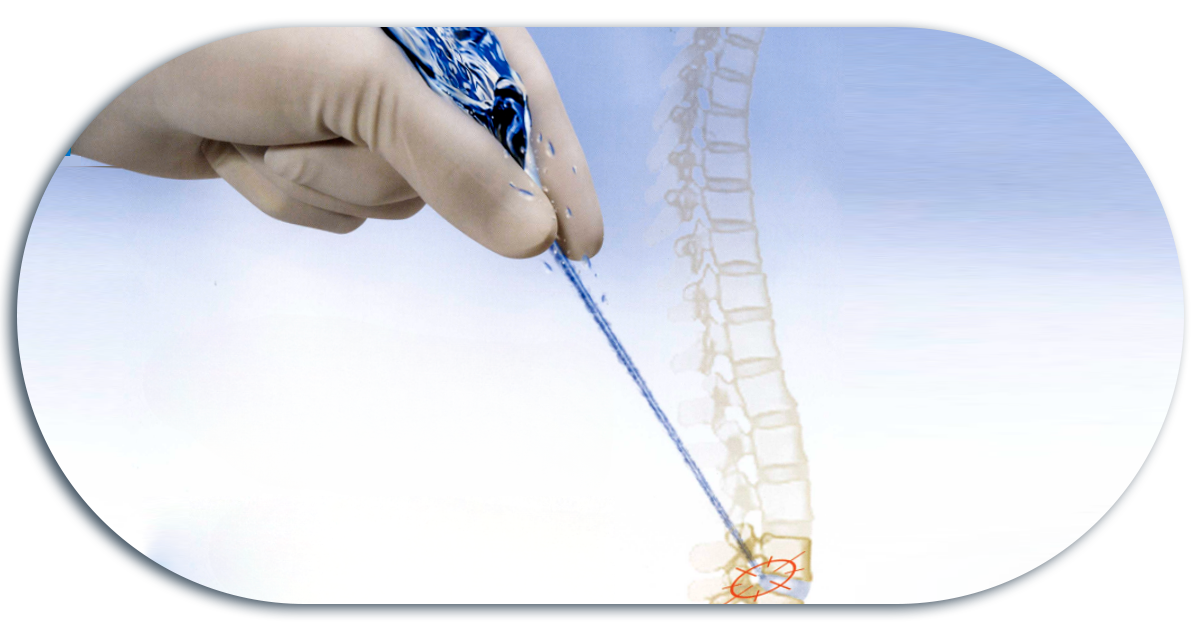
This is a system by which we aspirate the nucleus of the intervertebral disc. This aspiration is performed through a 2.3 mm diameter cannula, using a water pressure system that atomizes the contents of the intervertebral disc so that it can be aspirated through the same device.
Its application is particularly useful in cases of herniated discs.
Percutaneous Screws
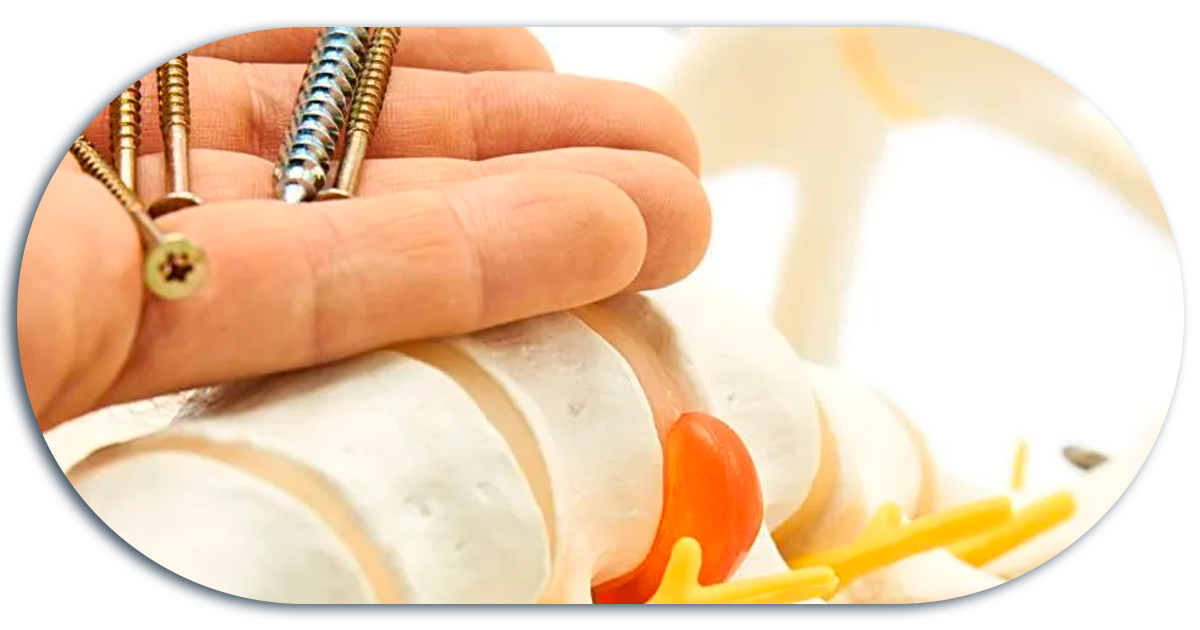
Currently, we have technological resources that allow us to perform even spinal instrumentation through minimally invasive incisions. This includes procedures such as nerve root decompression, intervertebral disc replacement, and the placement of screws and rods.
This is a safer, less invasive procedure with a lower risk of infection and less bleeding, making blood transfusions practically unnecessary.